
List Of Sleep Disorders
Author Name: Heidi Holvoet, PhD
Medical fact-check: Dr Leah Alexander, M.D., F.A.A.P.
This
overview
list of sleep
disorders includes brief definitions and
gives you an idea of which one may be affecting your child,
toddler or baby.
This
list focuses on
primary disorders
only. These are the less common, but more
serious ones that truly disrupt your child's nights and require dedicated attention.
Parasomnias: night terrors, bedwetting and sleepwalking
These so-called parasomnias in our list of disorders can be quite annoying but are usually not too serious from a medical point of view . They pass without medical intervention in most cases or need only gentle guidance to be corrected.
Night Terrors
Night terrors or sleep terrors , also called confusional arousal, are awakenings from deep sleep, typically in the early night. The child seems wide awake but isn't, typically screams and is restless for a while before going back down. Next day he/she does not remember what happened.
Bedwetting
Technically it takes a long time before
bedwetting
becomes a real
issue. Being dry at night is part of normal development, and it very often happens much later than being dry during
the day.
Up to the age of 6-8 years old, it is usually is still normal and nearly always due to
physical
immaturity.
The main to-do as a parent is to realize that it's fine and normal and above all to help avoid feelings of shame and guilt in the child. It's never their fault and taking a casual approach is by far the most effective to help them. Most kids
simply outgrow it, in particular if it's never been made into a big deal.
In some cases,
specific
solutions
going from gentle guidance through medical
intervention can be necessary.
Sleepwalking and Sleeptalking
A sleepwalking or sleeptalking child will be 'up' but not really awake.
It is a typical thing for school-aged kids, but it can disrupt your
toddler's naps and nights too.
The main thing is to be attentive to this as a parent and to
make sure your sleepwalker does not get injured during his or her walks.
Pediatrician Dr. Leah Alexander, MD, FAAP, also recommends attaching some kind of alarm sound to the bedroom door (this can be a simple toy-bell, as long as it's well out of reach of your child) as well as the front or back door. That's because unfortunately even young toddlers have made their way outside on the street during sleep walking episodes.
Sleep apnea
The most common type of
apnea in young children
is called Obstructive
Sleep Apnea Syndrome (OSAS). It is when the upper airways block
partially or completely from time to time during the night (or nap).
In infants it is usually
Central Sleep Apnea
, where a
failed brain signal causes a breathing pause.
In either case, the short breathing halts (half) wake up the
child.
Baby, toddler or older child then does not get enough deep rest.
This is the most
common
disruptive sleeping disorder kids can
have, about 1 to 3 percent could be affected. Removal
of tonsils and adenoids in surgery is the common medical treatment.
The problem with it is that it often goes
unnoticed. Consequences include growth disturbance and behavioral
problems. That's why it is so
important
to spot apnea
as soon as
possible. Double-check
all sleep
disorder symptoms
and the specific
signs and symptoms
to make sure you don't miss it.
Narcolepsy
Narcolepsy is when sleep patterns are seriously disrupted. A
narcoleptic person is extremely tired during the day, can be
problematic to wake at certain times and can fall asleep suddenly,
anywhere.
Luckily this is
very rare
in
kids, definitely in very young ones but it's in the list of sleep
disorders for reference and so that you are aware of its existence, and
recognize it just in case.
Sleep Disorders Overview
Overview of the Various Sleeping Disorders
Night TerrorsBedwetting |
Sleep Apnea |
Worried? Questions? Contact me!
Article Author: Heidi Holvoet, PhD - Founder, senior sleep consultant
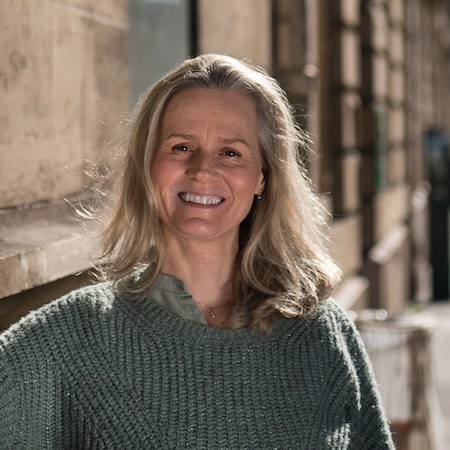
Heidi Holvoet, PhD, is the founder of the Baby Sleep Advice website and movement, an award-winning author, baby & toddler sleep consultant with 17+ years experience as well as a certified lactation counselor.
Over the years, Heidi has received several awards inluding a Mom's Choice Award (MCA) and National Parenting Awards (NAPPA) for her Baby Sleep Advice website, programs and books. Also, Baby Sleep Advice was awarded "Most Trusted Infant's Sleep Solutions Company 2023" in the Benelux Enterprise Awards 2023.
Heidi continually conducts personal research and participates in continued education and in that way stays up to date with current scientific and pyschosocial infant care.
She is also a member of the Association of Professional Sleep Consultants of which she was one of the earliest contributors. She obtained her PhD degree in physics at the University of Ghent in Belgium.
Heidi is passionate about helping babies and their parents sleep more and better, with her trademark holistic and truly-no-tears approach that has been proven and praised time and again by parents worldwide to be effective and truly no-tears. Respect for you as a parent and your baby, is at the heart of Heidi's warm and kind support. Her approach always keeps in mind a baby's needs and abilities at any given age, is based on pediatric science and the most up to date knowledge in infant care and sleep science.
As well as the award-winning baby sleep programs, Heidi offers popular 1:1 consults and easy-access 30-minute SOS Sleep sessions.
Baby waking every hour?
by Heidi Holvoet, PhD
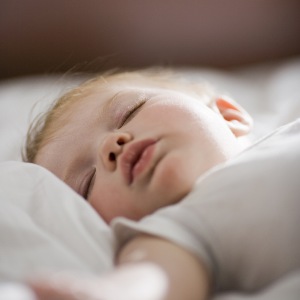
Sleep schedules by age
by Heidi Holvoet, PhD
Separation Anxiety
by Heidi Holvoet, PhD
Crib safety guidelines
by Heidi Holvoet, PhD
Why does my baby wake up every hour?
by Heidi Holvoet, PhD
'%3e%3cg id='Final-Copy-2_2_' transform='translate(1275.000000, 200.000000)'%3e%3cpath class='st0' d='M7.4,12.8h6.8l3.1-11.6H7.4C4.2,1.2,1.6,3.8,1.6,7S4.2,12.8,7.4,12.8z'/%3e%3c/g%3e%3c/g%3e%3c/g%3e%3cg id='final---dec.11-2020'%3e%3cg id='_x30_208-our-toggle' transform='translate(-1275.000000, -200.000000)'%3e%3cg id='Final-Copy-2' transform='translate(1275.000000, 200.000000)'%3e%3cpath class='st1' d='M22.6,0H7.4c-3.9,0-7,3.1-7,7s3.1,7,7,7h15.2c3.9,0,7-3.1,7-7S26.4,0,22.6,0z M1.6,7c0-3.2,2.6-5.8,5.8-5.8 h9.9l-3.1,11.6H7.4C4.2,12.8,1.6,10.2,1.6,7z'/%3e%3cpath id='x' class='st2' d='M24.6,4c0.2,0.2,0.2,0.6,0,0.8l0,0L22.5,7l2.2,2.2c0.2,0.2,0.2,0.6,0,0.8c-0.2,0.2-0.6,0.2-0.8,0 l0,0l-2.2-2.2L19.5,10c-0.2,0.2-0.6,0.2-0.8,0c-0.2-0.2-0.2-0.6,0-0.8l0,0L20.8,7l-2.2-2.2c-0.2-0.2-0.2-0.6,0-0.8 c0.2-0.2,0.6-0.2,0.8,0l0,0l2.2,2.2L23.8,4C24,3.8,24.4,3.8,24.6,4z'/%3e%3cpath id='y' class='st3' d='M12.7,4.1c0.2,0.2,0.3,0.6,0.1,0.8l0,0L8.6,9.8C8.5,9.9,8.4,10,8.3,10c-0.2,0.1-0.5,0.1-0.7-0.1l0,0 L5.4,7.7c-0.2-0.2-0.2-0.6,0-0.8c0.2-0.2,0.6-0.2,0.8,0l0,0L8,8.6l3.8-4.5C12,3.9,12.4,3.9,12.7,4.1z'/%3e%3c/g%3e%3c/g%3e%3c/g%3e%3c/g%3e%3c/svg%3e) Your Privacy Choices
Your Privacy Choices