
Sleep Disorders In Children, Babies and Toddlers
Author Name: Heidi Holvoet, PhD
Is one of the common
types of
sleep disorders
in children
troubling your toddler or baby? Recognize and treat
night
terrors
,
sleepwalking,
bedwetting
,
narcolepsy and
apnea
early
on.
There are
two types of disorders
you may see in your baby or
toddler: behavioral problems
(
simply
learning to settle well and keep asleep) and primary
disorders (issues that require specific attention).
Behavioral problems
Behavioral sleep problems are
the
most common and harmless type
:
difficulty
falling asleep or self
soothing
,
difficulty
staying
asleep or
sleeping
through the night
and unnecessary
frequent night waking
.
We usually don't think of these as true
disorders
, because
they are a normal phase in child / baby development. But, they
can
disrupt your family
life
quite badly and, without good guidance, a child may grow into a
lifetime of
poor sleeping
,
leading to poor health.
That's why it is so important to gently guide your child with
a suitable bedtime method
.
Primary disorders in children
There are only a number of sleep disorders
young children
get.
Night
terrors
,
bedwetting
(nocturnal enuresis),
sleep
walking
(somnambulism) and
talking
(somniloquy) are the so-called
parasomnia
. They are
almost always due to immature development and most children grow out of
them without treatment.
Apnea
in children
and
babies
and
narcolepsy
are
less common but
more
serious
issues and usually require
medical treatment.
See the
list and definitions
of sleeping disorders
for clarification.
When you
suspect that your child has a primary disorder, it is important
to recognize it through a
sleep
disorder evaluation
and then to
find
a
correct remedy or treatment
.
Sleep Disorders Overview
Overview of the Various Sleeping Disorders
Night TerrorsBedwetting |
Sleep Apnea |
Worried? Questions? Contact me!
Article Author: Heidi Holvoet, PhD - Founder, senior sleep consultant
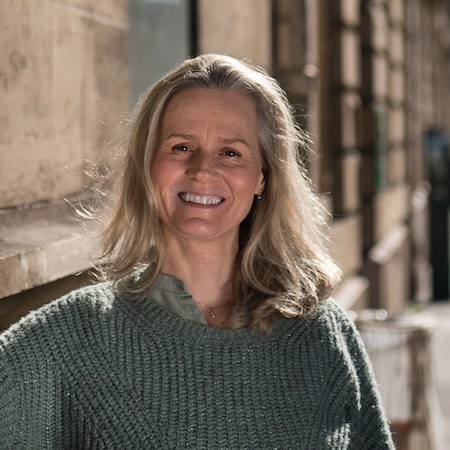
Heidi Holvoet, PhD, is the founder of the Baby Sleep Advice website and movement, an award-winning author, baby & toddler sleep consultant with 15+ years experience as well as a certified lactation counselor.
Over the years, Heidi has received several awards inluding a Mom's Choice Award (MCA) and National Parenting Awards (NAPPA) for her Baby Sleep Advice website, programs and books. Also, Baby Sleep Advice was awarded "Most Trusted Infant's Sleep Solutions Company 2023" in the Benelux Enterprise Awards 2023.
Heidi continually conducts personal research and participates in continued education and in that way stays up to date with current scientific and pyschosocial infant care.
She is also a member of the Association of Professional Sleep Consultants of which she was one of the earliest contributors. She obtained her PhD degree in physics at the University of Ghent in Belgium.
Heidi is passionate about helping babies and their parents sleep more and better, with her trademark approach that has been proven and praised time and again by parents worldwide to be effective and truly no-tears. Respect for you as a parent and your baby, is at the heart of Heidi's warm and kind support. Her approach always keeps in mind a baby's needs and abilities at any given age, is based on pediatric science and the most up to date knowledge in infant care and sleep science.
As well as the award-winning baby sleep programs, Heidi offers popular 1:1 consults and easy-access 30-minute SOS Sleep sessions.
Baby waking every hour?
by Heidi Holvoet, PhD
Sleep schedules by age
by Heidi Holvoet, PhD
Separation Anxiety
by Heidi Holvoet, PhD
Crib safety guidelines
by Heidi Holvoet, PhD
Why does my baby wake up every hour?
by Heidi Holvoet, PhD